
Nestled in the heart of North Sumatra, Indonesia, Lake Toba is a breathtaking natural wonder and the largest volcanic lake in the world. This serene destination, formed by a colossal volcanic eruption around 75,000 years ago, offers visitors a unique combination of stunning landscapes, cultural experiences, and a sense of tranquillity. The calm, clear blue waters of the lake create a postcard-perfect scene. It’s as if we’ve stumbled upon Indonesia’s version of Lake Como. In the centre of the lake lies Samosir Island, an island about the size of Singapore, which is a great place to explore.
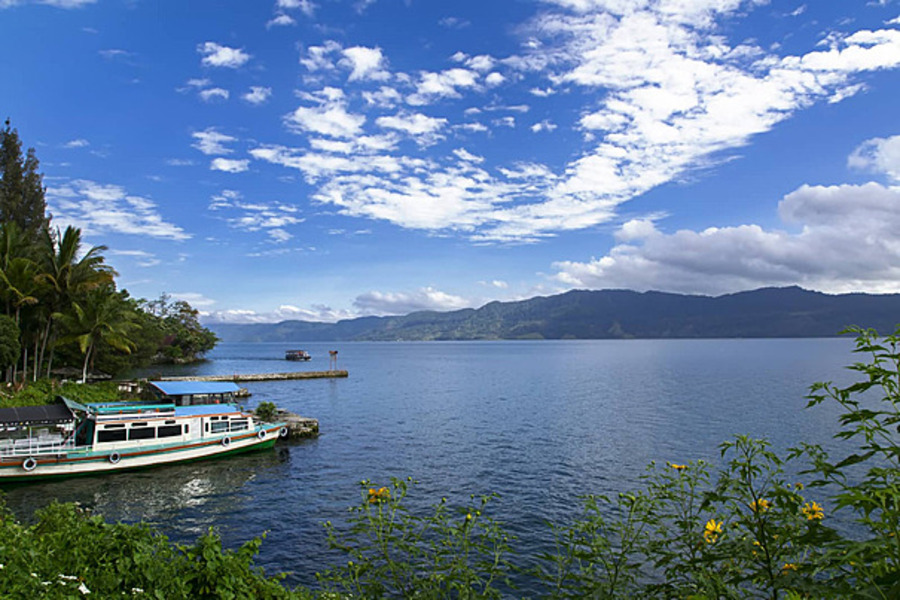
Tuktuk Siadong is a small, picturesque village located on Samosir Island. It’s the main tourist hub in the area and from here, you can enjoy the relaxed atmosphere and participate in activities like swimming, kayaking, boating, biking, and hiking. Tuktuk is also a great base for visiting nearby cultural sites, including traditional Batak villages and ancient stone relics.
Table of Contents
How to Get to Lake Toba
Lake Toba can be reached from Medan, the capital of North Sumatra, which serves as the primary airport gateway. The drive from Medan to the town of Parapat takes about 4 to 6 hours. Alternatively, Silangit Airport, located closer to Lake Toba, is an option with a shorter drive, though flights to Silangit are less frequent. Below are some transportation options for traveling from Medan to the lake. It’s best to book an early morning flight so that you can continue your journey to Lake Toba on the same day.

By Car/Private Taxi
You can hire a private car or taxi to meet you at the airport. This is the most direct and convenient option, and the one we chose, which allowed us to relax and take in the scenery. To hire a car and driver from Medan to Parapat, you can start by contacting your hotel, as many hotels in Medan or Lake Toba can arrange private transport for you. Alternatively, local tour operators in Medan offer car rental services with drivers. You can also explore online booking platforms like Traveloka or Klook, which may provide car rental options with drivers.
Driving from Medan to Lake Toba offers diverse and picturesque scenery so while it’s a long-ish drive, it’s also part of the adventure! As you leave Medan’s urban areas, you’ll pass through lush, rolling hills covered in dense tropical forests, expansive rice paddies, and small villages. The road winds through the mountainous terrain, providing stunning views of valleys and terraced farmlands. Closer to Lake Toba, the landscape becomes more dramatic with views of the lake’s vast, sparkling waters set against the backdrop of volcanic peaks. You’ll also see rubber plantations along the drive. North Sumatra is known for its rubber and palm oil plantations, and as you travel through the region, especially in the lowland areas before reaching the higher elevations near Lake Toba, you’ll pass by sprawling stretches of rubber trees. These plantations are an integral part of the local economy and offer a glimpse into the agricultural practices of the region.
By Bus
If you’re looking for a more budget-friendly option, you can take a bus from Medan to Parapat. There are several bus companies, like ALS and Sejahtera, that operate on this route. Buses from Medan to Parapat take around 6 hours and depart from the central Medan bus terminal.
By Train
An alternative to buses is taking a train from Medan to Siantar, followed by a short taxi ride to Parapat. The train takes around 4 hours, and the road journey from Siantar to Parapat is about 45 minutes.
Parapat is a small town with a few hotels, restaurants, and local markets. It’s primarily a stopover for visitors heading to Samosir Island in Lake Toba and a pleasant place to explore briefly, stretch your legs, use the bathroom, and enjoy a meal.
Tiga Raja Ferries run frequently, typically every hour, from Tiga Raja Pier in Parapat to Samosir Island and the ride takes about 30 to 60 minutes. The ferry drops you directly at several points in Tuktuk, where many hotels and guesthouses are located. You can buy ferry tickets for the Parapat to Samosir Island route directly at the ferry terminal in Parapat. If you’re travelling during peak holiday periods, it’s recommended to confirm the ferry times and availability in advance.
Tourists in Tuktuk Siadong typically get around by walking, as the village is small and easy to explore on foot. For more flexibility, you can also rent bicycles or scooters, which are readily available from local shops. You can also arrange a private car with a driver and many accommodations offer transportation services or can help arrange rides for getting around the island.
Currently, there are no major ride-hailing services like Grab or Gojek operating on Samosir Island, including Tuktuk Siadong.
Cultures and Customs
There are several cultural customs and practices in the Lake Toba region that visitors from other countries, especially those familiar with Bali, might find different. Lake Toba is home to the Batak people, who have their own unique traditions and way of life. Here are some key differences and customs to be aware of:
Batak Christian Culture
Unlike Bali, which is predominantly Hindu, the Batak people around Lake Toba are mostly Christian (with Protestant and Catholic influences). This is a stark contrast to Bali’s Hindu temples, ceremonies, and offerings. You’ll find Christian churches in Lake Toba, and Sundays are often reserved for attending church services.
Respecting Churches
If you visit a Batak church, it’s important to dress modestly (covering shoulders and knees) and behave respectfully, as religion plays a central role in the local community.
Batak Houses
In contrast to Bali’s intricately carved Hindu temples and homes, the traditional Batak houses are famous for their boat-shaped roofs and wooden structures, often decorated with symbolic carvings. You’ll notice this different style of architecture as you explore the villages around Lake Toba.
Respect for Elders
Batak people hold their elders in high regard. If you’re eating with a Batak family, it’s polite to let elders start eating first as a sign of respect. In the Lake Toba region, chewing betel nut is a common practice among the Batak people, particularly among elders.
More Conservative Dress
While Bali’s tourist areas allow for more casual beachwear attire, in the Lake Toba region, especially in the villages, modest clothing is preferred. It’s a good idea to cover your shoulders and knees, especially when visiting cultural or religious sites.
Batak Language
While many people around Lake Toba speak Bahasa Indonesia, the national language, you’ll also hear Batak Toba, the local dialect, spoken widely in the region. English is less commonly spoken compared to Bali’s tourist areas, so learning a few phrases in Bahasa Indonesia could be helpful.
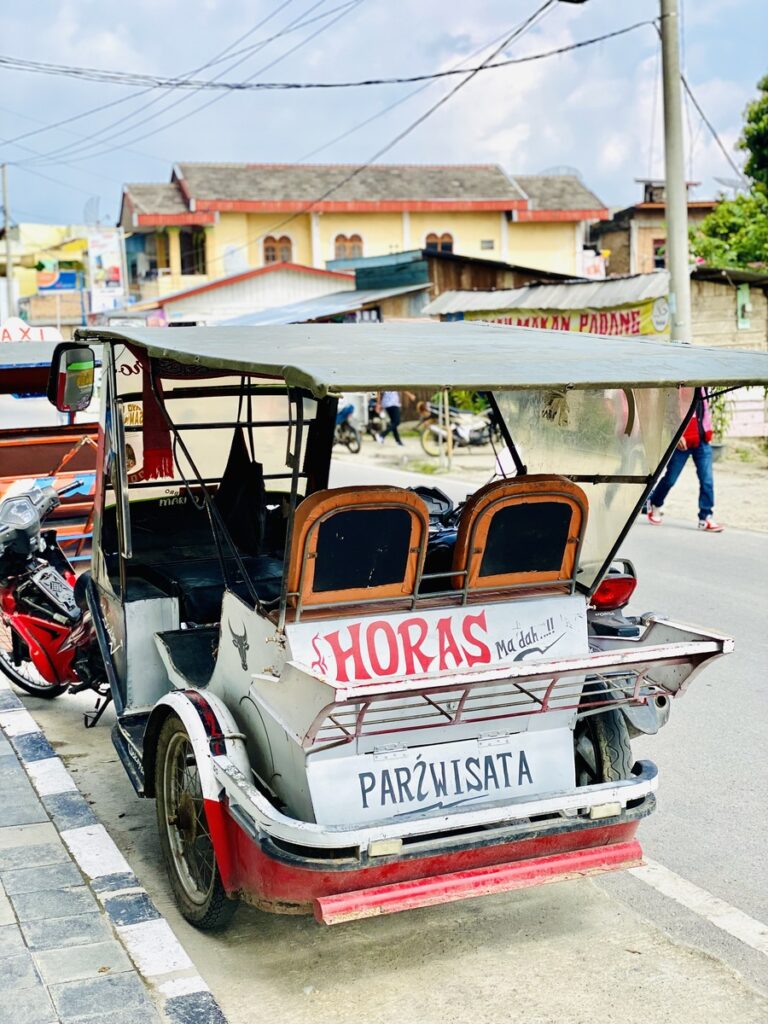
“Horas” is a traditional Batak greeting commonly used in the Lake Toba region. It’s an all-purpose greeting that can mean hello, welcome, or goodbye, depending on the context. Beyond a simple greeting, “Horas” conveys good wishes for health, success, and well-being. It’s often used with great warmth and enthusiasm when meeting others, especially in more formal settings or when addressing guests.
Using “Horas” when visiting Lake Toba can show respect for the local culture and endear you to the Batak people.
Climate
Lake Toba is located at an elevation of about 900 meters (2,953 feet) above sea level, which gives it a cooler climate compared to other regions in Indonesia. The temperatures at Lake Toba typically range between 17°C to 26°C (63°F to 79°F). It’s mild and pleasant, making it an ideal destination to escape the heat. The region experiences two main seasons: a dry season (May to September), ideal for outdoor activities, and a rainy season (October to April).
Where to Stay
There are a variety of accommodations catering to different preferences and styles. From budget-friendly guesthouses to mid-range stays and luxury boutique hotels, no matter where you choose, you’ll be greeted with the warm, signature Indonesian hospitality and the smiles that make every visit unforgettable.
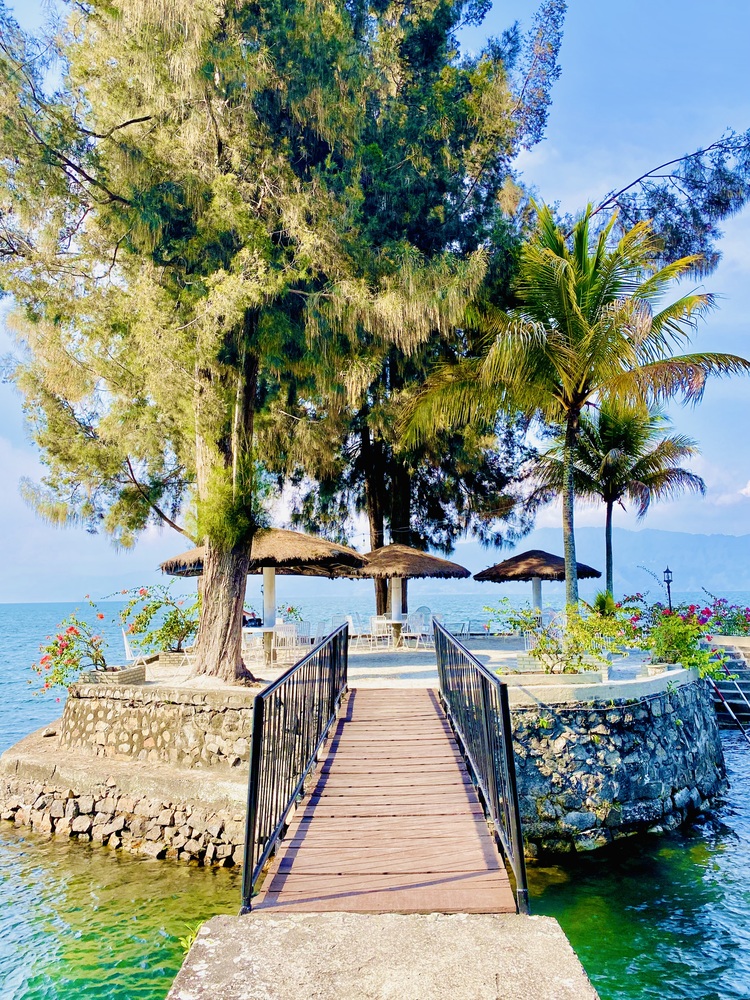
Toba Village Inn was where we chose to stay. It’s a charming hotel located in Tuktuk Siadong and it offers a peaceful lakeside setting with comfortable rooms, including options with beautiful views of the lake. The inn features a swimming pool, a lush garden, and direct access to the lake, making it ideal for swimming or kayaking. The on-site Jenny’s Restaurant and German Bakery is popular for its fresh, homemade baked goods and German and local meals.
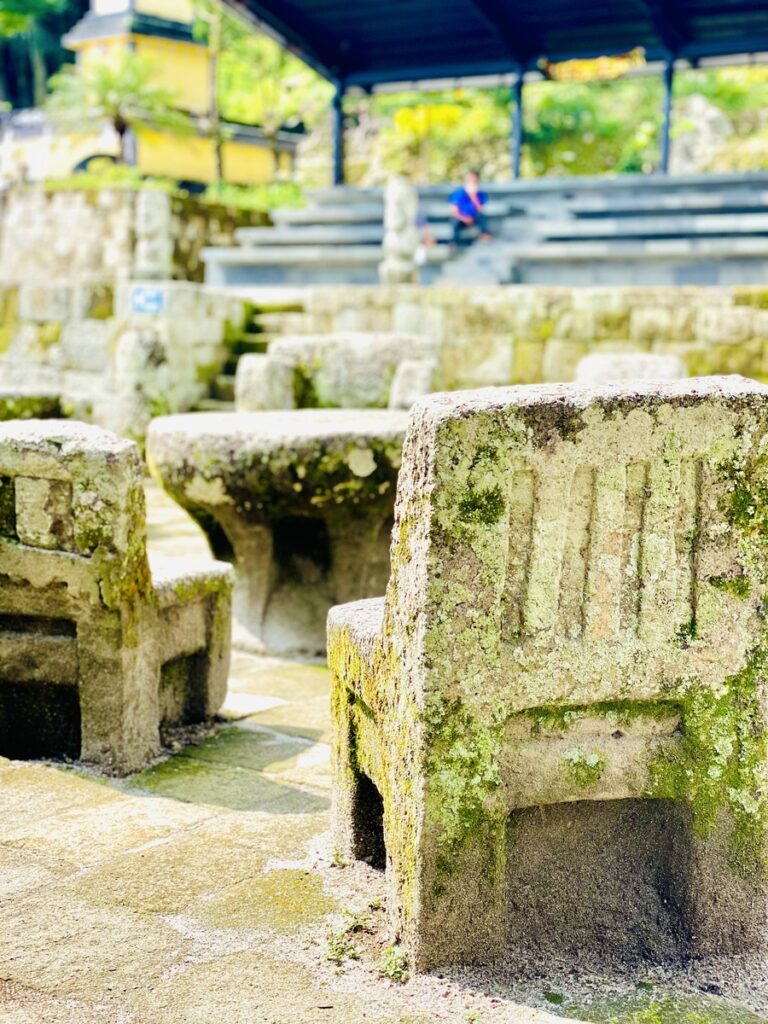
A recommended stay in Lake Toba is typically 3 to 4 days. This allows enough time to explore Samosir Island, visit traditional Batak villages, see the ancient stone chairs in Ambarita, tour the tomb of King Sidabutar in Tomok, enjoy outdoor activities like hiking up to Sipiso-Piso Waterfall, swimming, kayaking, boating, relaxing by the lake or try the natural hot springs of Pangururan. Staying longer can enhance your experience, especially if you want to slow down and immerse yourself in the peaceful atmosphere and the region’s natural beauty.
For anyone seeking an unforgettable adventure, Lake Toba offers awe-inspiring sunrises and sunsets that paint the sky with vibrant colours, perfectly mirrored on the lake’s glassy surface. It’s the ultimate destination to add to your Indonesia bucket list… HORAS!


